Phnom Penh, the capital and largest city of Cambodia, sits at the confluence of the Mekong, Tonle Sap and Bassac rivers. It is a city of contrasts: glittering royal architecture, poignant memorials to the past, a lively riverside promenade, booming cafés and a rapidly modernising skyline. For many visitors it is the gateway to the country and an essential stop for understanding Cambodia’s history and contemporary culture.
Tourism Places in Phnom Penh
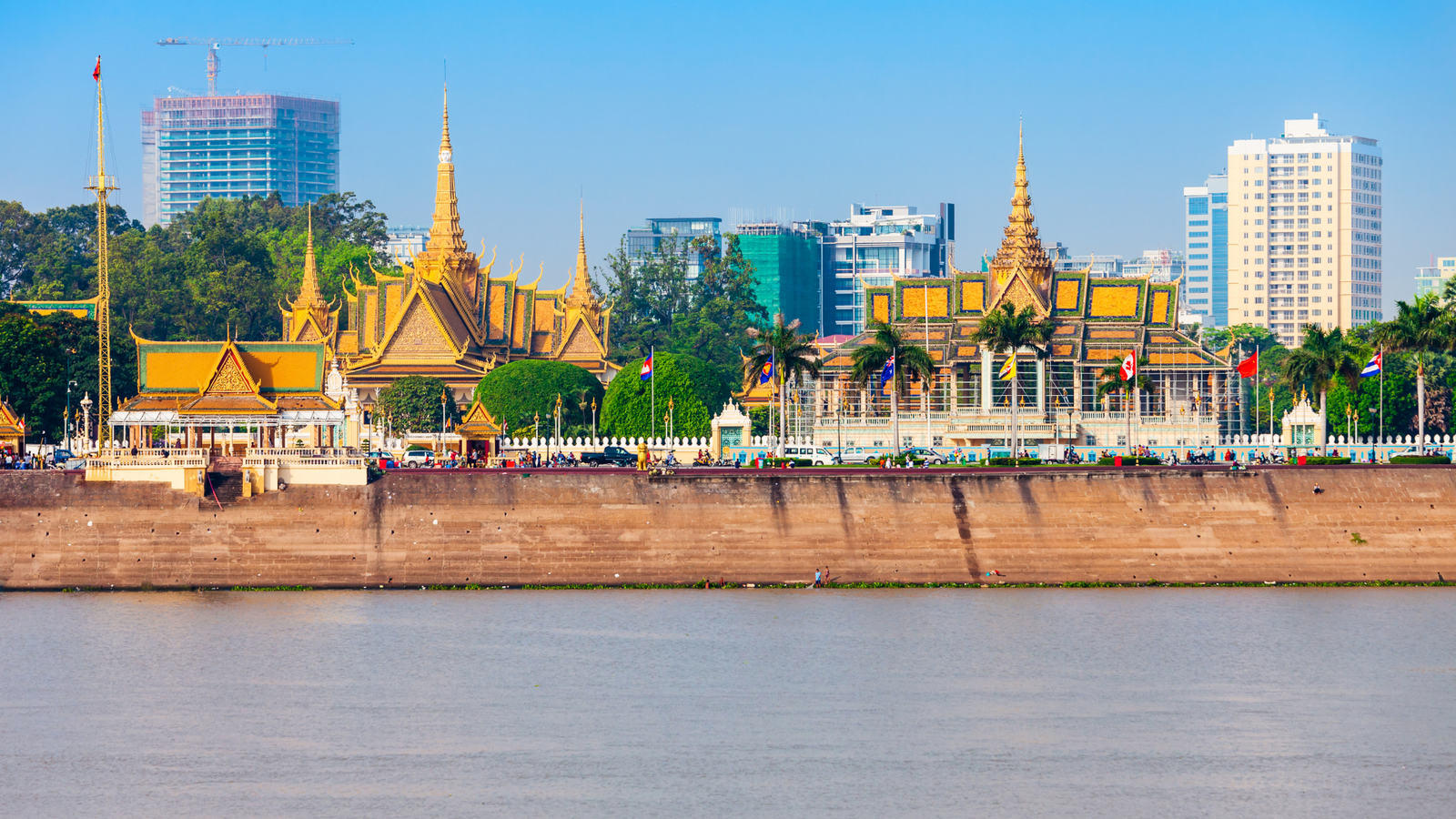
Royal Palace & Silver Pagoda
Official royal residence with gilded throne halls and the Silver Pagoda (silver-tiled floor, sacred Buddhas). Among Cambodia’s finest architectural complexes.
- Allow: 1.5–2 hours · Dress modestly (shoulders & knees covered)
National Museum of Cambodia
Premier collection of Khmer sculpture from pre-Angkor and Angkor periods in a traditional red pavilion. Essential context for temple visits.
Wat Phnom
Founding hill and namesake temple of the city. Local worshippers, legends of Lady Penh, and city views from the top.
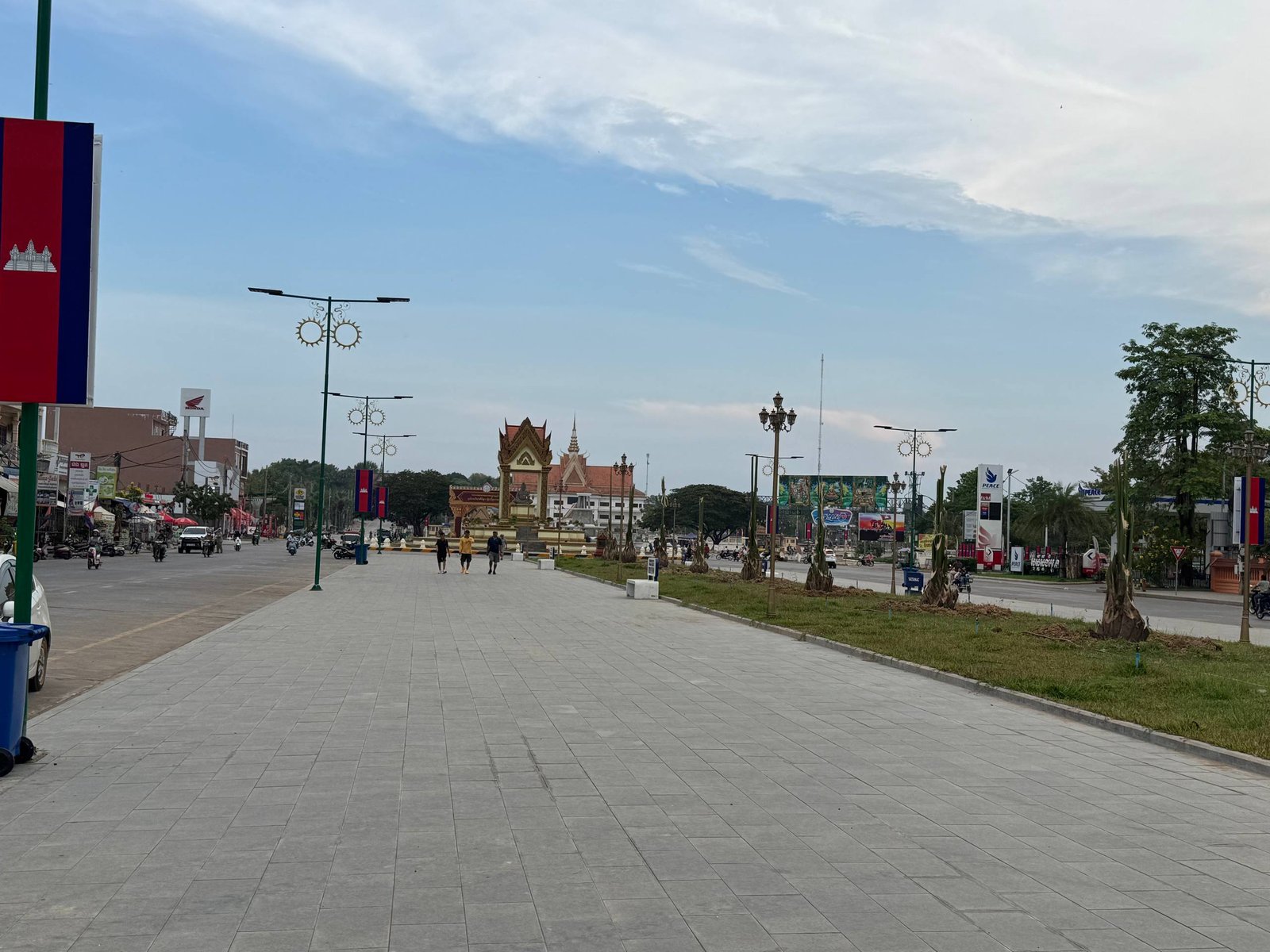
Independence Monument & Norodom Boulevard
Lotus-bud monument marking independence; central landmark and park area.
Tuol Sleng Genocide Museum (S-21)
Former school turned Khmer Rouge prison. Powerful, sobering exhibits on the genocide. Allow emotional space.
Choeung Ek Genocidal Center (Killing Fields)
Memorial mass-grave site ~15 km south of the centre. Audio guide recommended. Often combined with Tuol Sleng.
Central Market (Phsar Thmei)
Art-deco domed market: jewellery, clothes, flowers, local food. Great atmosphere.
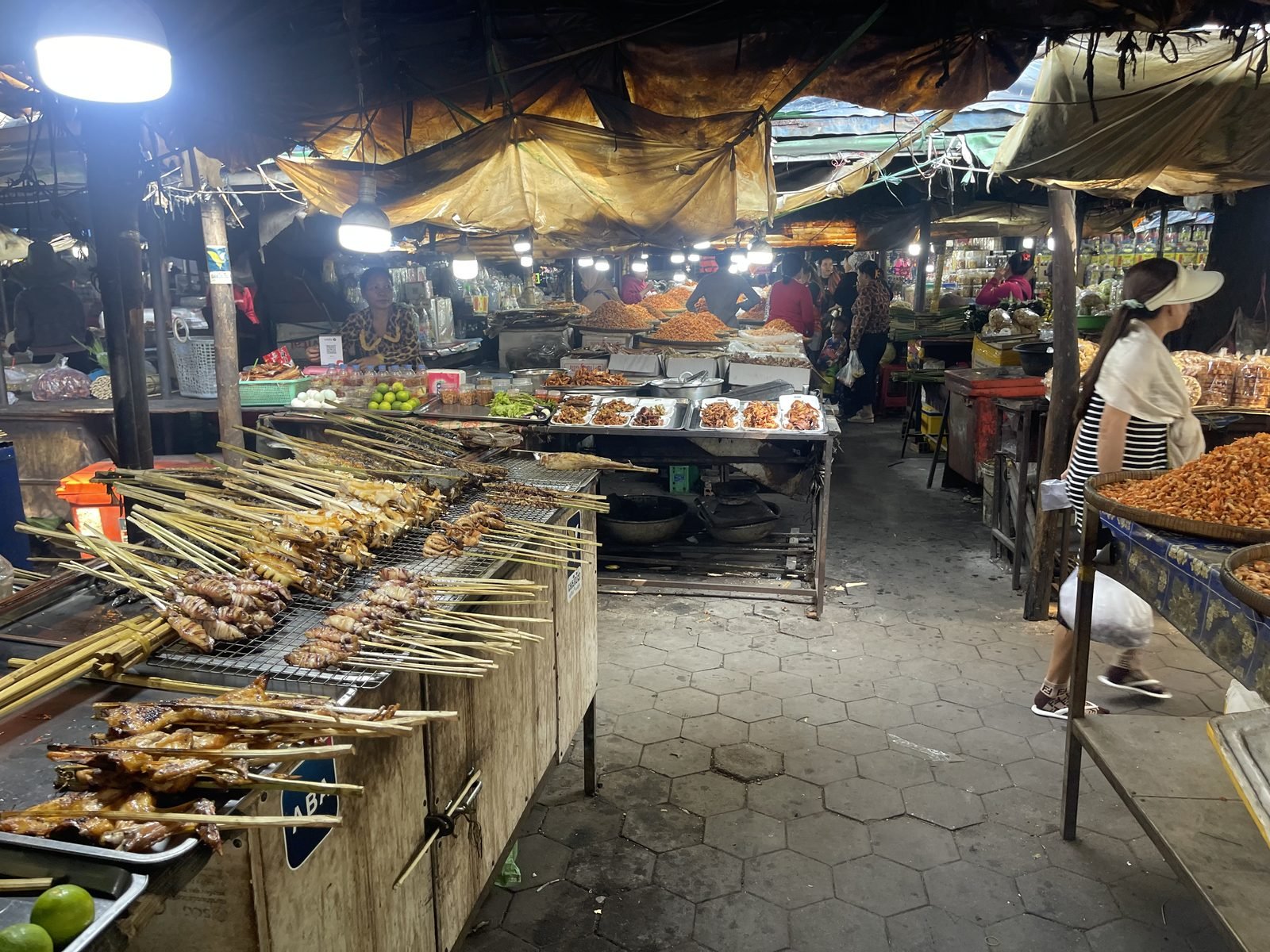
Russian Market (Phsar Toul Tom Poung)
Handicrafts, silk, souvenirs, clothes and excellent street food.
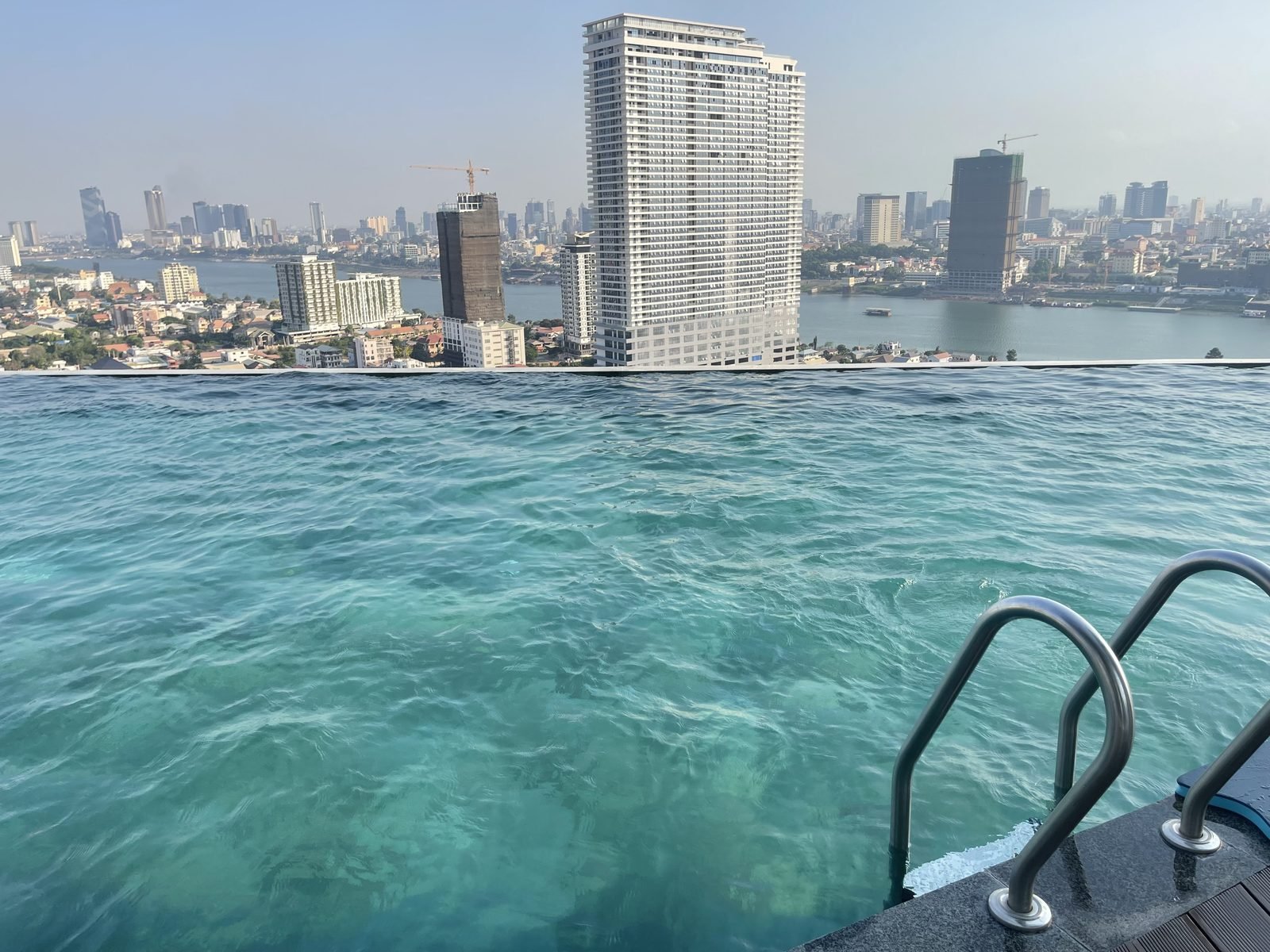
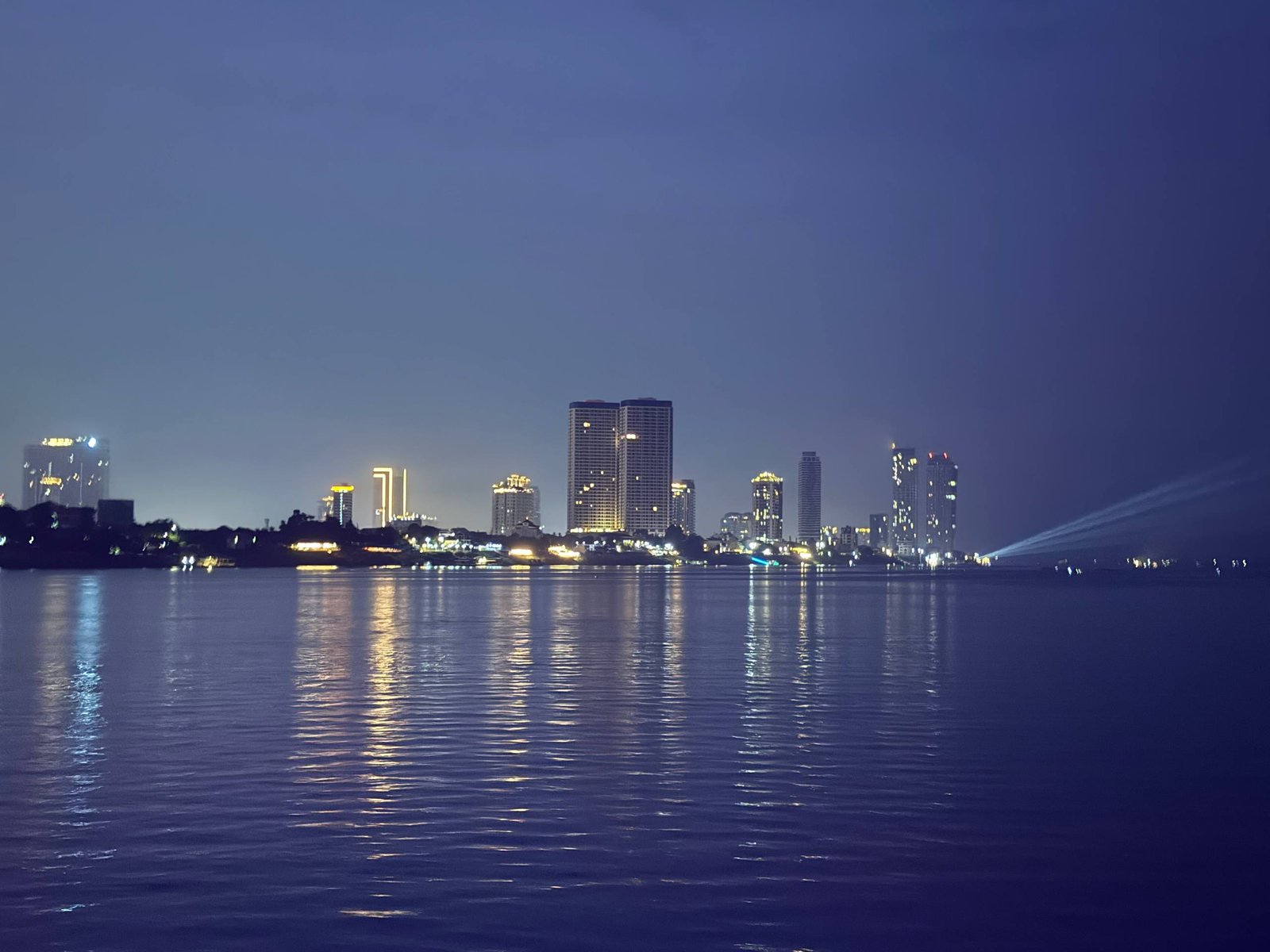
Riverside (Sisowath Quay)
Waterfront promenade with cafés, restaurants, evening strolls and boat trips at the Tonle Sap–Mekong confluence.
Other experiences
- Wat Ounalom and neighbourhood pagodas
- Koh Dach (Silk Island) — weaving villages and cycling
- Mekong/Tonle Sap sunset boat trips
- Street-food tours and cooking classes
- BKK1 cafés, design shops and international dining
How to Go
By air: Techo International Airport (KTI). Transfer to centre ~30–60 min.
By road: Highways to Siem Reap (5–6 h), Sihanoukville (3.5–4.5 h), Kampot/Kep, Battambang and Bavet (Vietnam border).
In the city: Tuk-tuks, PassApp/Grab, taxis. Riverside and central areas walkable in cooler hours.
Where to Stay
- Luxury: Raffles Hotel Le Royal, Rosewood Phnom Penh, Sofitel Phokeethra
- Boutique / 4-star: Plantation Urban Resort, Himawari Hotel
- Mid-range: Cardamom Hotel, Anik Palace, Sunny Palace
- Budget: Eighty8 Backpackers, Me Me Guesthouse, Narin Guesthouse
Areas: Riverside, BKK1, near Central or Russian Markets.
Where to Eat
- Fine Khmer: Malis, Romdeng, Friends the Restaurant
- Other: Chinese House, Khéma, market stalls and riverside eateries
Practical Tips
- Dress modestly for the Royal Palace and pagodas.
- Tuol Sleng and Choeung Ek are emotionally demanding.
- USD widely accepted; small riel notes useful for markets and tuk-tuks.