Visa & Entry Requirements
Most visitors need a visa to enter Cambodia. You can apply online (e-Visa), obtain a Visa on Arrival at major entry points, or — if you are from a visa-exempt country — enter without a visa for a limited stay. Always use official government websites.
1. Official e-Visa (recommended)
- Official website: https://www.evisa.gov.kh
- Fee: approximately US$30 (tourist) + small processing fee (total often around US$36)
- Validity: single entry, stay up to 30 days
- Processing: usually 3 business days (apply at least 4–5 days before travel)
- Print the approval letter and carry the same passport used in the application
- Only use the official .gov.kh site — avoid third-party sites that charge extra
Where you can enter with e-Visa
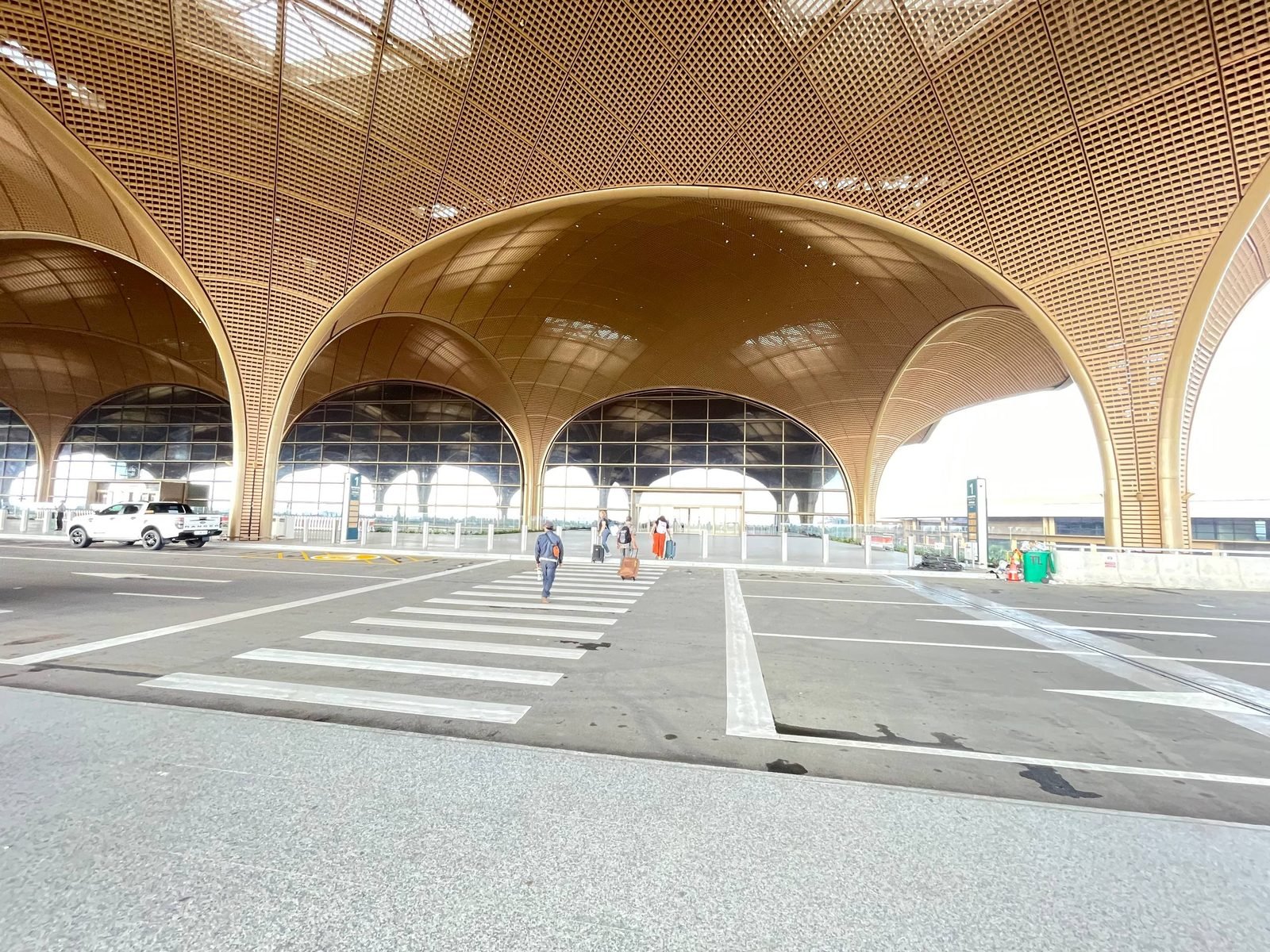
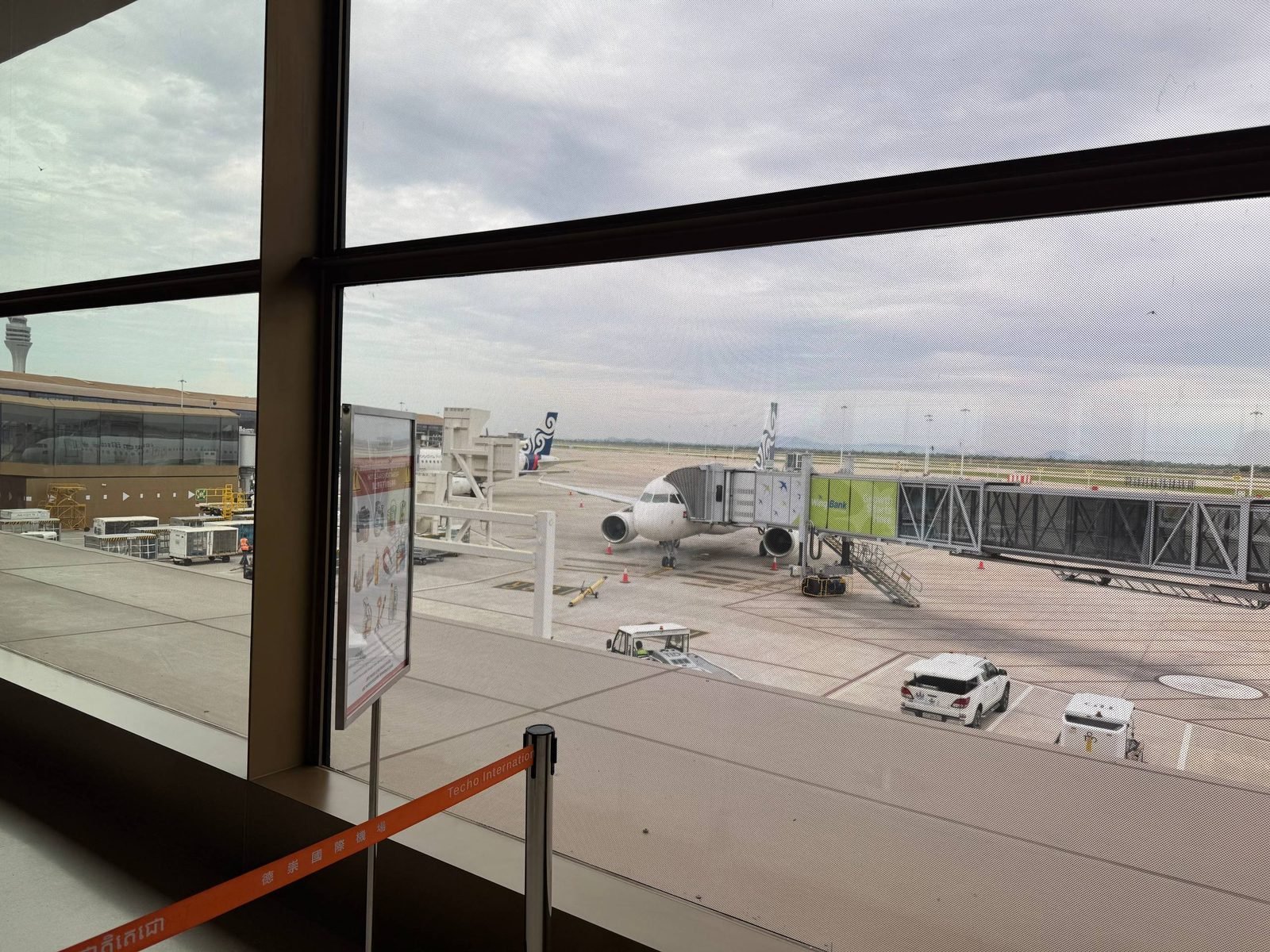
- Airports: Techo International Airport (Phnom Penh), Siem Reap Angkor International Airport, Sihanoukville International Airport (air arrivals only — not cruise ships)
- Land borders currently accepting e-Visa entry: Bavet (Vietnam), Tropaeng Kreal / Trapeang Kriel (Laos)
- Temporarily closed for e-Visa entry: Poipet and Cham Yeam (Thailand border) — check official ports list before travel
- e-Visa is not accepted for cruise-ship / seaport arrivals at Sihanoukville
Full border and e-Visa status details: Cambodia Borders page.
2. Visa on Arrival (VOA)
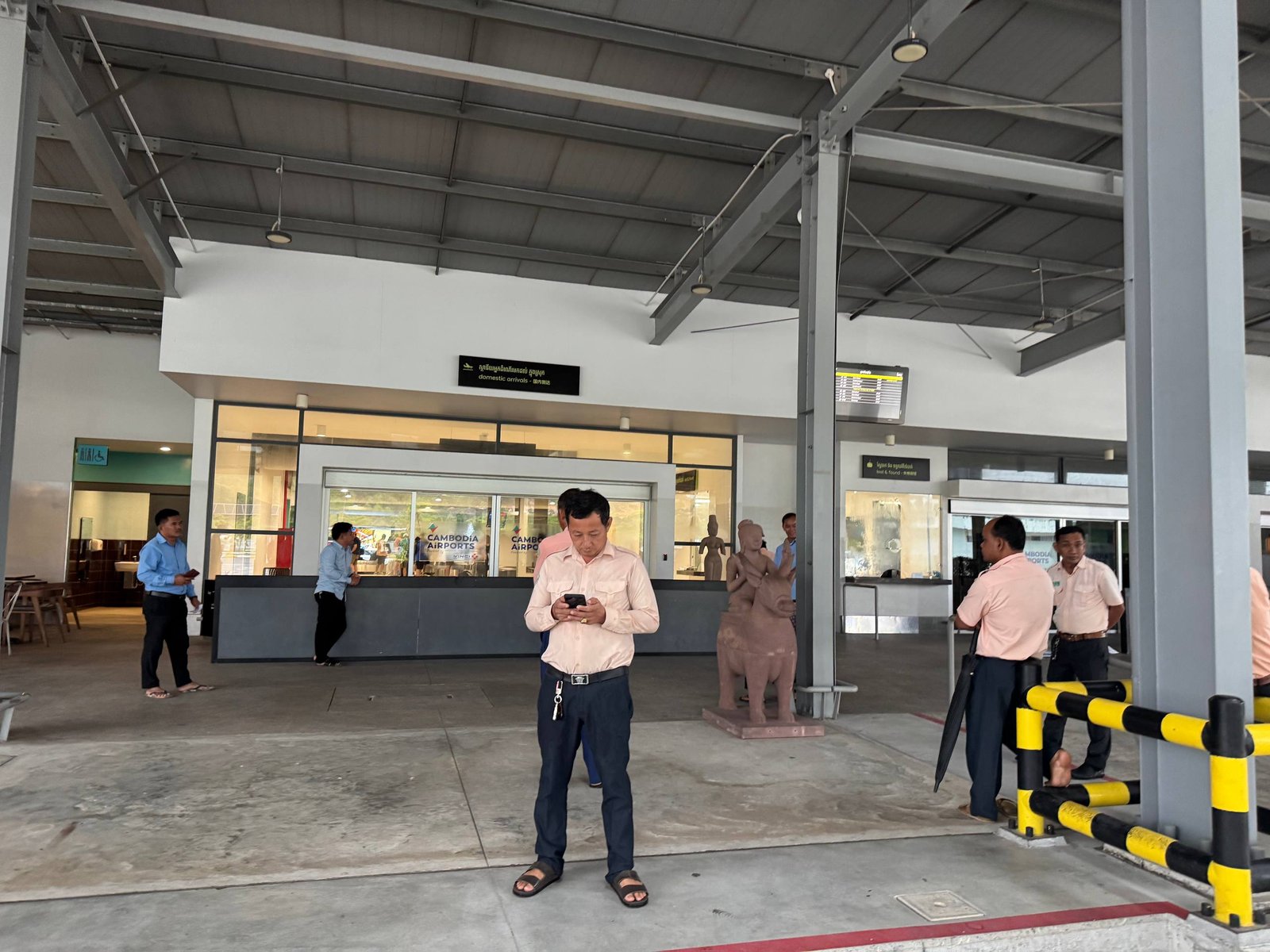
- Available at international airports and main land borders (when open)
- Fee: US$30 tourist / US$35 business — pay in clean US-dollar cash
- Requirements: passport valid 6+ months with blank page, 1 passport photo, possible onward ticket
- Processing usually 15–45 minutes at the counter
- Also the main option for cruise-ship passengers (e-Visa does not work at the seaport)
3. Visa-free entry (exemption)
Citizens of the following countries may enter Cambodia without a visa for short stays (ordinary passports). Stay lengths can change — confirm before travel:
- Up to 30 days: Indonesia, Laos, Malaysia, Philippines, Singapore, Vietnam (and often Maldives)
- Up to 14 days: Brunei, Myanmar, Thailand (Thai nationals may currently have a shorter allowance due to border measures — check latest rules)
- Temporary exemptions may apply for other nationalities (e.g. limited-period measures for Chinese ordinary passports) — always verify on official sources
4. Who needs a visa?
Almost all other nationalities need either an e-Visa or Visa on Arrival. Cambodia’s e-Visa is open to applicants from a very wide range of countries. There is no broad public “blacklist” that blocks ordinary tourists from applying for e-Visa or VOA; however:
- A small number of nationalities or special situations may be directed to apply through a Cambodian embassy/consulate instead of the online portal
- Immigration officers always have the final decision on entry
- Overstaying incurs fines and can affect future visits
5. Cambodia e-Arrival Card (separate from the visa)
- Official site: https://arrival.gov.kh
- Free digital arrival form required for air arrivals (submit within 7 days before landing)
- It is not a visa and does not replace one
6. Other practical points
- Passport must be valid at least 6 months beyond entry and have at least one blank page
- Tourist visas can usually be extended once inside Cambodia (travel agencies or immigration offices in Phnom Penh / Siem Reap)
- From October 2026, Cambodian embassies generally no longer issue physical sticker visas — e-Visa is the primary method
- For the latest official information always check evisa.gov.kh and your nearest Cambodian embassy
Need help planning entry or a land/cruise arrival? Contact us on WhatsApp +855 9875 6688 or see Cambodia Borders and Cruise Ship Sihanoukville.
Currency & Money
The official currency is the Cambodian Riel (KHR). In practice the US Dollar is widely accepted for almost all tourist transactions. Prices are often quoted in USD; small change may be given in riel.
- ATMs are common in Phnom Penh, Siem Reap, Sihanoukville and larger towns and usually dispense USD.
- Credit cards are accepted at mid-range and upscale hotels, restaurants and some shops. Smaller businesses and markets prefer cash.
- Bring clean, undamaged USD notes. Torn or very old notes may be refused.
- Inform your bank of travel plans. Keep a mix of cash and cards.
Language
Khmer is the official language. English is widely spoken in tourist areas, hotels, restaurants and by guides. In rural provinces English is less common.
Useful phrases: “Sous-dey” (hello), “Or-kun” (thank you), “Som to” (excuse me / sorry). The traditional greeting is the sampeah (pressing palms together with a slight bow).
Weather & Best Time to Visit
Cambodia has a tropical monsoon climate:
- Dry season (November – April) — Cooler and less humid, especially December–February. Peak tourist season. Ideal for temples, beaches and outdoor activities.
- Rainy / Green season (May – October) — Hotter and more humid with regular short afternoon or evening showers. Landscapes are lush, crowds smaller and prices often lower.
Temperatures typically range from the mid-20s°C to mid-30s°C. Highlands (Mondulkiri, Ratanakiri) are cooler, especially at night.
Time Zone & Business Hours
Cambodia is UTC+7 (no daylight saving). Government offices roughly 07:30–11:30 and 14:00–17:00 weekdays. Shops and markets open early and often late. Many tourist services operate daily.
Health Care & Safety
Major cities have international-standard clinics and hospitals. Comprehensive travel insurance that includes medical evacuation is strongly recommended.
- Drink bottled or purified water.
- Use mosquito protection (dengue is present; malaria risk is low in main tourist areas).
- Bring regular medications and a basic first-aid kit.
- Check current vaccination advice with your doctor before travel.
Cambodia is generally safe for visitors who take normal precautions. Watch belongings in crowded areas. Traffic is chaotic — cross carefully and use seatbelts/helmets.
Phone, Internet & Connectivity
Local SIM cards (Cellcard, Smart, Metfone) are inexpensive and easy to buy with your passport. Data packages are affordable and 4G coverage is good in cities and along main routes. WhatsApp and Telegram are widely used. Many hotels and cafés offer free Wi-Fi.
Embassies & Consulates
Most major countries maintain embassies or consulates in Phnom Penh. Keep contact details handy and consider registering with your embassy for longer stays.
Getting Around
- Flights — Domestic flights link Phnom Penh, Siem Reap and Sihanoukville.
- Buses & minivans — Comfortable tourist services between major destinations.
- Private car with driver — Most flexible option; excellent value for small groups.
- Tuk-tuks & ride-hailing — Ideal for short city trips.
- Boats — Island ferries and seasonal river boats.
For reliable airport and intercity transfers, contact us by phone or WhatsApp.
What to Pack
- Lightweight clothing plus modest outfits for temples (shoulders and knees covered).
- Comfortable walking shoes, sun hat, sunglasses, high-SPF sunscreen, insect repellent.
- Reusable water bottle, basic first-aid kit, personal medications.
- Universal power adapter and copies of important documents.